 By Marco Hugo Barsotti MHB
You are listening to a new special from am1575news, France24 and Radio Centrale Milano, in podcasting and on the medium waves.
Markets in turmoil
Traders are on alert: the latest trades in European sovereign bonds have rekindled the memory of the 2011‑2012 debt crisis. After weeks of homogeneous moves, fueled by the energy shock and the fight against inflation, Thursday French yields suffered a sharp spike, pulling Italy, Belgium and Greece along as well. The curves of those countries recorded some of the widest spread widenings in recent years, while Germany held the centre, beneficially welcomed as a safe haven by investors.
Countries’ reactions
France, already weakened by budget disputes and a heated election campaign, turned out to be the most hit, highlighting the risk of a contagion that could spread to economies with high debt such as Italy and Belgium. Germany, on the other hand, saw growing demand for its bonds, also helping to support U.S. Treasuries, which have also been weak so far. Despite the massive moves, spreads remain overall contained and on Friday the longer‑term securities began a recovery.
The role of the ECB
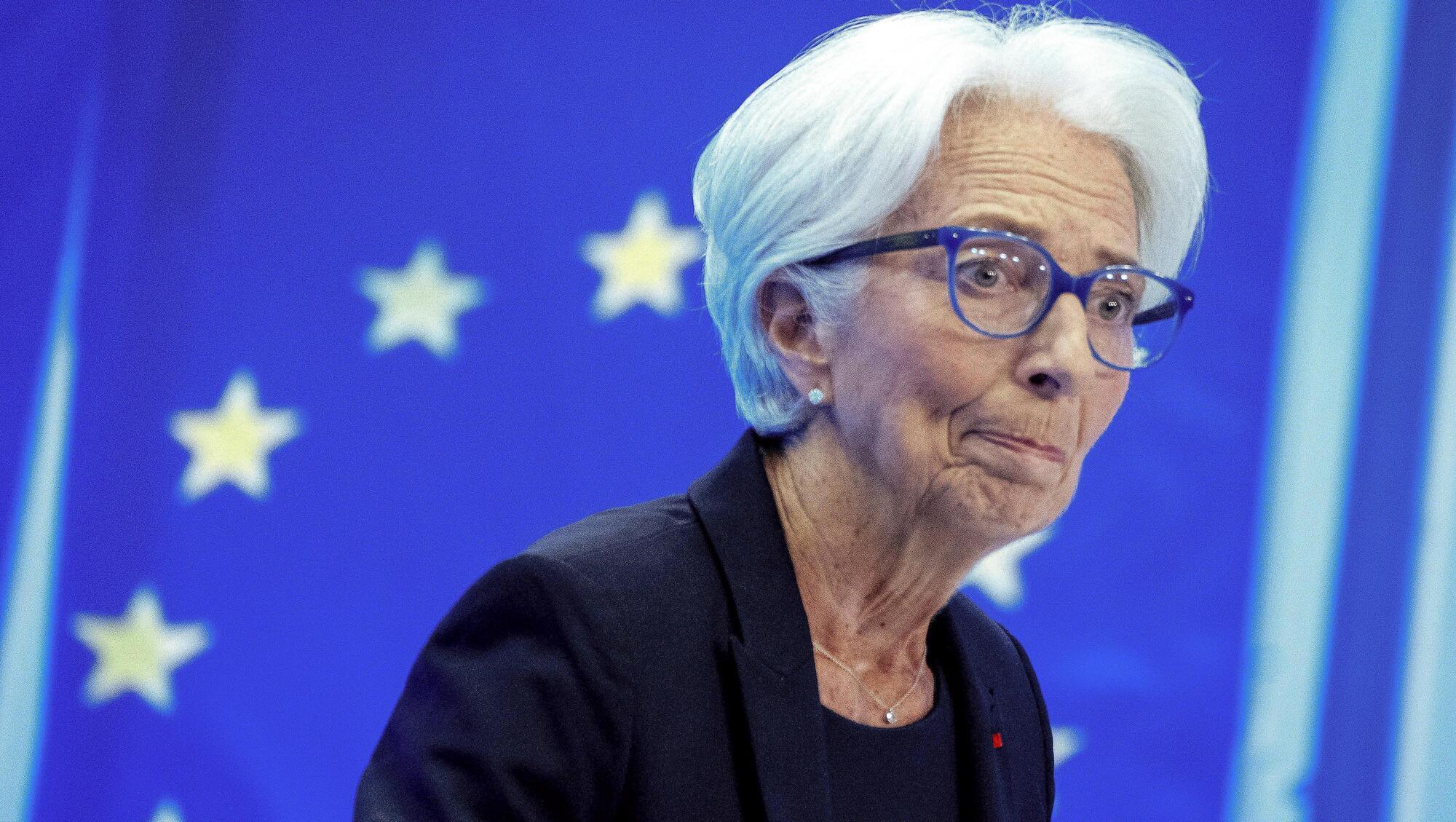
As the weekend approached, the discussion shifted to possible countermeasures by the European Central Bank. Analysts envision a more cautious signal on further rate hikes, with swaps now indicating three raises by the end of next year instead of the four foreseen a week ago. If the contagion were to intensify, the ECB could suspend its balance‑sheet reduction programme, limiting the amount of bonds to be absorbed in the market. Attention is focused especially on the Transmission Protection Instrument (TPI), an unlimited‑purchase intervention created in 2022, never activated but seen as a safety net in case of uncontrolled turbulence.
Traders’ strategies
The sharp rebound has also been attributed to the growing presence of hedge funds in the bond market, particularly to carry‑trade operations on short‑dated Italian, Spanish or French securities. When volatility is contained these strategies can pay off, but last week they triggered a massive liquidation of leveraged positions, amplifying the sell‑off. The ECB, according to statements from Fidelity officials, is constantly in contact with market participants, including hedge funds, to monitor the situation and intervene quickly should a flare‑up of tensions appear.
The market remains on a tight rope: eyes are on upcoming macro data, on the evolution of the French election campaign and on any signals of further ECB interventions. In the meantime, traders keep a cautious approach, ready to react to any new

Rachel’s editorial – When France plays Scarlet Witch with European bonds
The season of traders’ complaints has begun, all gripped by terror of a new “contagion” that, apparently, can arise from a simple puff in the sovereign bond market. But who is really worried? The usual choir of analysts with pompous names and quotes from “Bloomberg planet”, who think they can predict the future with a line chart thinner than a Macron tie. Meanwhile Greece, once the object of accusatory looks from the French, now enjoys the view with a sneering smile: “Remember when we were the danger?”.
It’s a comedy from another era: France, with a debt that looks like an all‑you‑can‑eat buffet, complains about “excessive borrowing” while the rest of the Eurozone watches it with the same curiosity as a cat in front of a ball of yarn. And while the media paint the crisis as a Greek drama, the one reminding everyone that Greece is just an economic “Trojan horse” is the old Paris show: “You can’t trust Greece”. Now, however, the target is France, an economy so huge that Greece looks like a child playing “who’s poorer”. Thanks, Macron, for rewriting the script.
The politically correct TPI – that “unlimited bond‑buying programme” lifebuoy never used – has become the new talisman of central bankers, almost comparable to a Harry Potter magic broom. If the crisis were truly “unwarranted”, then why does the market vibrate like a guitar string played by a hedge‑fund band? Is it perhaps easier to believe in a “contagion” legend rather than admit that the real virus is our own speculative hyper‑activity? In this drama, France is the tragic protagonist, but also the director of a thriller where the twist is always another political decision.
And so, while analysts flail like freshly boiled chickens, Greece laughs in silence, watching the French circus complain about a fever that, in all likelihood, is just a cold. The moral? No one can tell whether the contagion is real or just the perfect pretext to give more spectacle to the news, sell more “expertise” pieces and, above all, make it seem that the eurozone still has a hero to save: the next French finance minister. In the end, perhaps the real contagion is our ability to turn every crumb of fear into an apocalyptic end‑of‑the‑world narrative.
Koan of the day
Monk: Master, why does everyone fear that a simple spread increase could make the entire eurozone collapse, as if it were a dune ready to slide?
Master: Because, you see, man confuses the sound of a falling piece of paper with a hurricane; the real danger is the belief that panic itself is a physical force.
Monk: Then, if panic is a force, what lesson does Greece offer us by laughing at all these French fears?
Master: That the greatest wisdom is to recognize that fears arise from the noise of the ego; and that the echo of that noise will return to its originator, stronger and more ironic.
That’s all for now. From the Paris editorial office I’m Rachel Costa: this is am1575news, France24 and Radio Centrale Milano.
Source: AudioVisione – AM 1575 News