 By Marco Hugo Barsotti MHB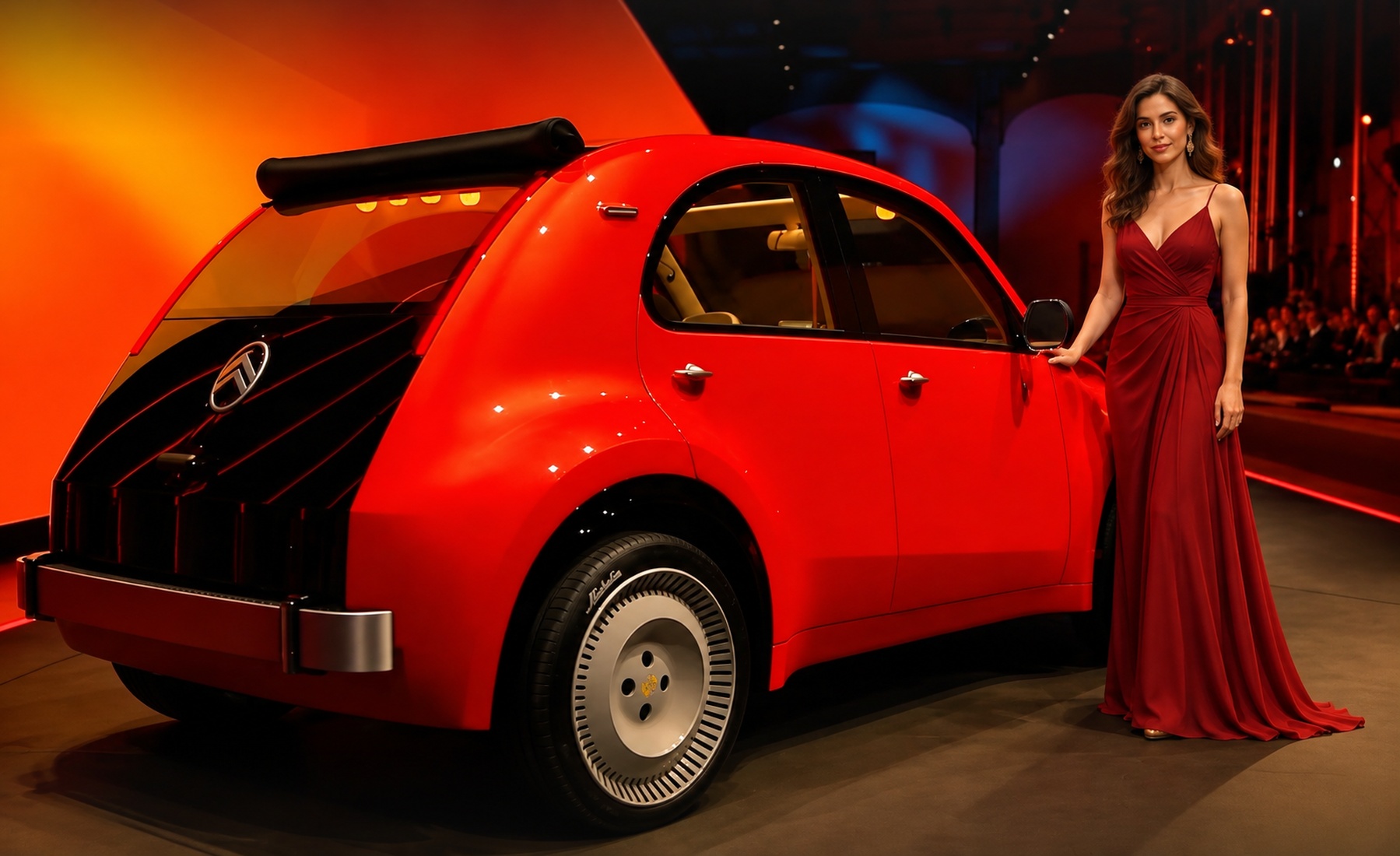
Welcome to am1575news, the news bulletin of France24 and Radio Centrale Milano for Monday 12 October 2026 in podcasting, on the medium waves and on franciaoggi.com. In the newsroom in Nice Marco Hugo Barsotti, from Paris Rachel Costa.
News from France
Raphaël Glucksmann wins by far in the left primary
The Place Publique candidate captured 66.17 % of the votes in the left primary held on Sunday 11 October, far ahead of the Socialist Party secretary, Olivier Faure, who managed only 14.46 %. More than 120 000 people went to the polls.
On the balcony of a bar in Belleville, turned into the headquarters of Glucksmann’s supporters, an activist let out his joy, exclaiming “They’ve smoked us!”. For Faure’s allies, the margin of over 60 000 votes was a real blow: “It’s a rip‑off, they’ve run over us. It will take days to digest it,” one of them commented. Despite the Socialist leader’s constant criticisms of Glucksmann in the final phase of the campaign, the strategy did not produce the hoped‑for effects.
Before the vote, Glucksmann’s supporters were convinced of a first‑round victory, with some considering a 30‑35 % threshold insufficient. “Mathematically Glucksmann was ahead,” a movement official noted at the end of September, adding that Faure’s defeat was unexpected. After the result, Place Publique members expressed both surprise and satisfaction: “We didn’t expect it, but don’t write that we’re surprised!” one spokesperson commented.
Nicolas Mayer‑Rossignol, head of the Glucksmann project, told France Info that the electorate is looking for a clear and sincere left, stressing that “a line has been drawn”. Glucksmann presented himself on television as the candidate of rupture both with Macronism and with Jean‑Luc Mélenchon’s hegemony. Some supporters recalled a heated debate with Mélenchon, in which the latter called him a “trainee”. In addition, a video‑interview was circulated in which Glucksmann, in front of militants, claimed to “pee” on Mélenchon and Marine Le Pen, an accusation they responded to on X calling the gesture “a note of his ‘nuance methodology’”.
The electoral result also dismantled the recurring criticisms of Glucksmann’s ability to become a presidential candidate. “He is not a war machine, he is null,” a Socialist figure had claimed at the end of September, but the primary win has put that judgment into perspective.
With the score achieved, Glucksmann’s campaign proceeds unchallenged and with the prospect of an investiture convention in the coming days, possibly accompanied by a large meeting scheduled for the weekend of 7‑8 November. The new left leader is thus set to play a decisive role in the race for the presidency.
Source: franceinfo, 11 October 2026
Fact Check by Gemma4.
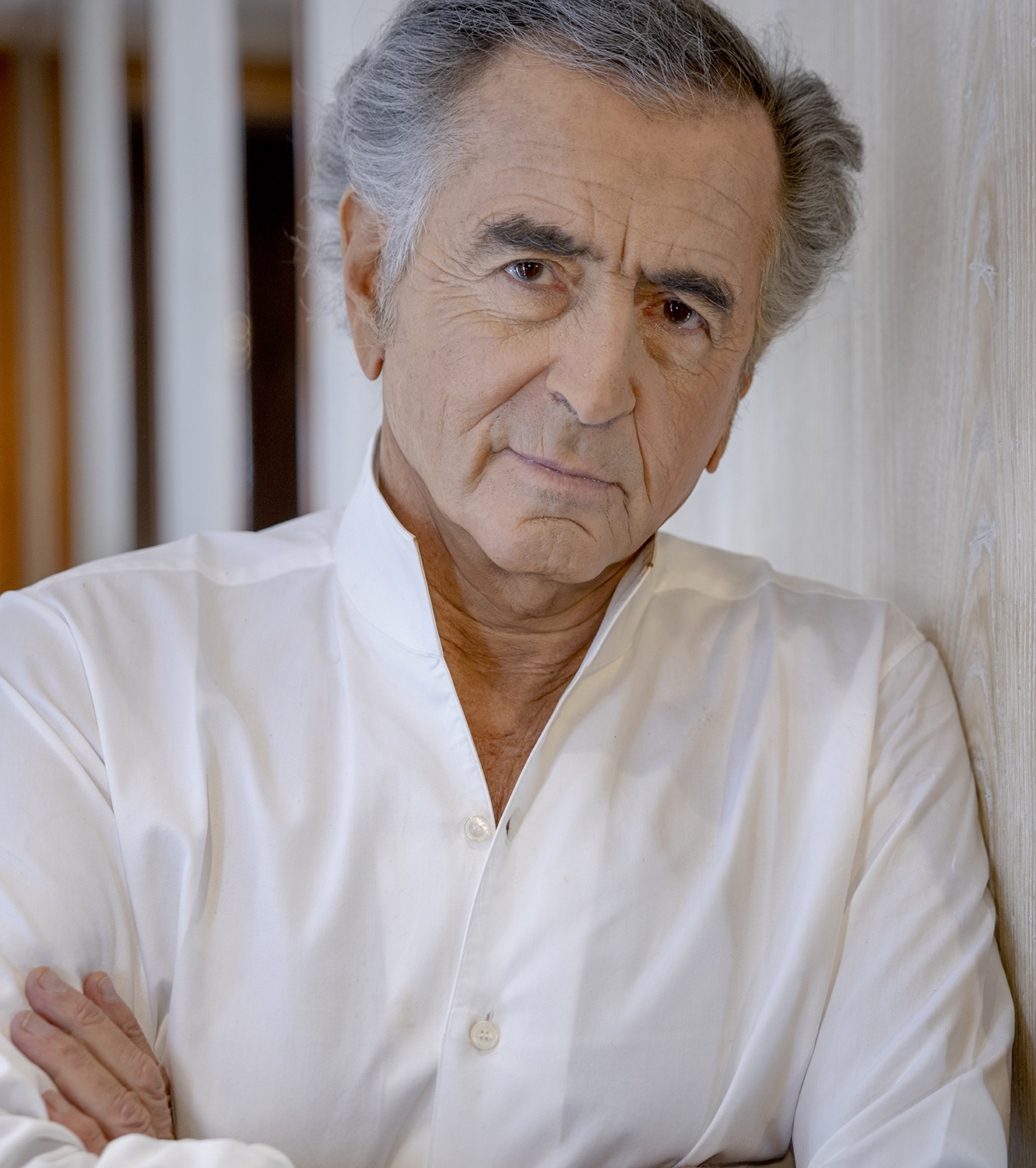
Gaza, Lévy contests the genocide accusation and denounces the political use of the term
Yesterday Radio Nizza published an intervention by Bernard‑Henri Lévy in Le Point, in which the philosopher rejects the definition of genocide for the war in Gaza. While recognizing the seriousness of civilian suffering and losses, Lévy argues that the warnings before bombings, evacuation corridors, humanitarian aid and vaccination campaigns are incompatible with genocidal intent. He also disputes the interpretations of international courts’ positions and the existence of a unanimous consensus among Holocaust scholars. radionizza.it
According to Lévy, the accusation helps demonise Israel, fuels hostility towards Jews who defend its reasons and obscures the memory of Hamas’s attacks on 7 October 2023, in which he sees genocidal intent. The subsequent editorial by Rachel Costa aligns with his stance, criticizing the use of the term as a slogan and calling for greater precision in language. Read the original article on Radio Nizza.
Citroën revives the legendary 2CV in a 100 % electric version for under €15 000
Citroën unveiled at the 2026 Paris Motor Show the 2CV Concept, a fully electric city car 3.76 m long that foreshadows a production version planned for 2028. Unlike recent premium reinterpretations of models such as the Renault 5 or the Fiat 500, the French firm aims to keep the original “Deuche” philosophy: popular mobility and modest prices, with a starting price set at €15 000 before incentives.
The new concept retains the round silhouette and proportions of the original, with the famous round headlights detached from the body and a striped bonnet recalling the 1939 TPV. The exclusive “Infra Red Red” paint and the curved canvas roof are combined with symbolic details, including the “48/90/26” engravings on the windshield that refer to key dates in 2CV history, and an original horn together with a motor‑noise generator that reproduces the historic two‑stroke start chime.
Inside, the cabin embraces simplicity: seats are upholstered in bright‑yellow tartan fabric, the dashboard hosts manual fans beneath the windshield and a PRND gear lever that mirrors the traditional gear ladder. The side panels feature dedicated egg‑storage compartments, a homage to the strict requirement of transporting a basket of eggs without breaking them, while the accelerator and brake display the silhouettes of a rabbit and a turtle respectively. The central console is replaced by a 3D‑printed picnic basket, and a portable “Radioën” can be removed for outdoor use.
The instrument cluster is dominated by an 8‑inch square screen, developed in collaboration with comic‑artist Jean‑Luc Delvaux. The display, although touch‑enabled, retains three physical buttons for climate control and volume, and offers a comic‑style interface: the GPS tracks the route on a bande dessinée‑style map, an audio cassette with rotating tapes appears during music playback, and speech bubbles accompany telephone calls. Xavier Chardon, Citroën’s CEO, assured that the production version will be very similar to the concept, avoiding excessive digitisation to focus on real driver needs.
From a technical standpoint, the electric 2CV will be built entirely in Europe, while adopting propulsion architectures from Chinese partners to keep costs down. The weight will be under one tonne, allowing compliance with upcoming European E‑Car regulations. The range, still to be confirmed, should be around 200 km, enough for the average French driver’s daily 30 km commute, thus limiting the need for frequent recharging.
With this proposal, Citroën seeks to bring back the original mission of the 2CV, created in 1936 to democratise car ownership in post‑war France, now offering 100 % electric, affordable mobility with a distinctive character. It remains to be seen whether the 2028 production version will retain the original soul and meet the promised range and price.
Source: automotive press, 12 October 2026
Fact Check by Gemma4.

Rachel’s Editorial – The electric 2CV: when nostalgia meets the price you pay at the bank
I now read you my editorial of the day.
It’s the Paris Motor Show, and Citroën finally gives in to retro‑mania, despite having promised “never again neo‑retro”. But is a company that declares independence from the trend and two months later unveils an electric 2CV really a “revolution”? Or is it just a classy way of saying they have run out of original ideas and are retreating to the wardrobe of the past?
And so, €15 000 for a car that looks like it came out of a 1950s advertising museum, equipped with a “vintage horn” and a 3D lunch‑box for eggs. The question naturally arises: who is the real target customer? The purist dreaming of driving an “electric potato basket”, or the average consumer who wants a Tesla without the price tag? Citroën’s marketing seems to speak to the wallet, the brain and the heart, but perhaps has forgotten common sense.
We cannot ignore the latest contradiction: a body “made entirely in Europe” but with “Chinese electric technologies”. It’s another excuse to justify a low price, but what will become of quality and battery longevity? And the promised range of about 200 km, just enough to “go to the supermarket and back”. At a time when competitors already offer 300 km at similar prices, the 2CV feels more like a nostalgic tribute than a concrete sustainable‑mobility proposal.
Finally, the real twist is the return to “simple” design: wool, tartan fabrics, manual knobs and a “comic‑style GPS”. It’s a nice way of saying, “we don’t want to scare you with too many screens”, but it is also the shortest route to mask a lack of genuine technological innovation. If the electric 2CV makes us smile, it will probably be because it reminds us how ridiculous some “innovation cycles” in the media are.
Koan of the day
A monk asked the Master: “If an ancient machine dresses itself in electricity but keeps the shape of a chicken, can it really fly toward the future?”
The Master replied: “The chicken can sing at dawn, but it will never stop laying eggs; likewise electricity can shine, but it does not escape its shell of nostalgia.”
The monk persisted: “Then, do our money deserve a range promise that does not exceed a district circuit?”
The Master smiled and said: “Paying for a dream is human; believing that the dream can travel the road is the true illusion of the traveler.”
But let’s get back to the news.
Raphaël Glucksmann wins the Socialist primary: Valérie Trierweiler sends a message to Léa Salamé
Raphaël Glucksmann emerged as the winner in the first round of the social‑democratic left primary called for the 2027 presidential race. The result, announced on Sunday 11 October, recorded 66.17 % of the votes, corresponding to 79 613 ballots. The Place Publique leader thus pulled clearly ahead of the Socialist Party secretary, Olivier Faure, who obtained 14.46 %, and of Ségolène Royal, Jérôme Guedj and Emmanuel Maurel, all below ten percent. With the victory, the 46‑year‑old MEP was proclaimed the official candidate for the 2027 presidential election.
In the wake of the triumph, Valérie Trierweiler posted a short supportive message on X addressed to her partner, journalist Léa Salamé, simply writing: “Pensées pour Léa Salamé”. Behind these brief words lie deep considerations of solidarity. A former political journalist and former first lady, Trierweiler had to suspend her journalistic activity to uphold media ethics during her cohabitation with François Hollande at the Élysée. She therefore knows well the personal and professional repercussions of a presidential candidacy for a journalist.
Léa Salamé has faced similar choices: to avoid any conflict of interest in public office, the presenter decided to temporarily step away from France 2’s “Journal de 20 h” program at the end of August 2026. In an interview with Marc‑Olivier Fogiel on RTL on 14 September, Salamé explained the family discussions that preceded the decision, emphasizing the emotional and practical weight of a presidential run for the spouse and children. She also recalled the professional sacrifices made by Glucksmann, who for years had to balance morning commitments and child‑care, describing the news‑anchor job as “ultra‑chronophage”.
The victory of Glucksmann in the Socialist primary therefore marks a turning point both for his political career and for the private lives of the protagonists involved. Source: franceinfo, 11 October 2026Fact Check by Gemma4.
Welcome to the international bulletin from FranceOggi and Radio Centrale Milano for Monday 12 October 2026 on FranceOggi.com in podcasting and on the Medium Wave at 1575 kHz.
From Paris I am Rachel Costa.
Tensions over the Kurils: Russia and Japan in a new geopolitical clash
The authorities in Moscow and Tokyo have clashed again over sovereignty of the Kuril Islands, an archipelago north of Japan and off the Siberian coast. After Russian President Vladimir Putin’s visit to the region last August, the issue returned to the centre of international attention, with Beijing watching developments cautiously for its own strategic interests in the Pacific.
Meanwhile, both sides have intensified naval exercises in the area, raising the risk of accidental incidents and complicating diplomatic efforts for a peaceful solution. Experts warn that an escalation could negatively affect trade flows between East Asia and Europe, already under pressure from energy tensions.
Oil price crashes after the announcement of an energy cease‑fire between Russia and Ukraine
The United States president proclaimed an “energy cease‑fire” between Russia and Ukraine, triggering a rapid reaction in oil markets. Brent crude fell by several dollars per barrel, while analysts remain cautious about whether the agreement will translate into real supply stabilisation.
Ukraine expressed its support for the initiative, asking Moscow to respect the proposed terms, while Russia has not yet commented officially. International observers fear that without a concrete commitment, the market could swing again amid further geopolitical tensions.
Russian phantom fleet multiplies seven‑fold, alarming energy markets
According to the latest analyses from a maritime monitoring centre, the so‑called “phantom fleet” has seen the number of operational tankers increase seven‑fold, reaching over 1 300 ships. This massive development, backed by state funding, has helped temporarily stabilise oil prices but has also raised concerns about possible market manipulation.
Authorities in several countries are evaluating new control measures to ensure transparency of transport routes and limit the impact of such flows on fuel prices. The intervention of these nations could affect Russia’s ability to maintain its influence in the global energy sector.
TikTok CEO predicts significant advances in artificial intelligence within three years
The head of ByteDance, owner of TikTok, stated that the company is heavily investing in artificial‑intelligence research, aiming for revolutionary scientific results within the next three years. The strategy foresees the development of new machine‑learning algorithms and the adoption of specialised hardware to accelerate performance.
According to reports, these advances could transform not only digital entertainment services but also sectors such as medicine, finance and industrial manufacturing. Market observers see this initiative as a signal of the growing competition among major tech platforms to dominate the AI future.
China’s rush to develop its own AI models intensifies
Chinese companies are accelerating the development of their own artificial‑intelligence models, trying to reduce dependence on Western solutions and capture a larger share of the global market. Recent public and private investments have fostered the creation of new research labs and partnerships with top‑level universities.
This trend is creating a new dynamic in the tech race, with Beijing aiming to become a reference point for AI infrastructure. Experts warn, however, that the proliferation of national models could increase fragmentation of international standards, making system interoperability more complex.
Poland detains a suspect of a possible attempted assassination against the prime minister and the defence minister
Authorities in Warsaw placed a citizen under custody suspected of planning an attack against the prime minister and the defence minister. The intervention followed intelligence reports indicating an imminent politically‑motivated act of violence.
The case has reignited debate over the country’s internal security, which has long been at the centre of tensions with Russia due to its commitment to the Atlantic alliance. The government has promised to strengthen protection measures for its senior officials, while public opinion remains vigilant for possible infiltrations.
The European Union considers halving imports of Chinese hybrid cars
The European Council is examining a proposal to limit imports of hybrid vehicles from China, aiming to protect the European automotive industry and encourage the production of zero‑emission cars. If approved, the measure would set a maximum import quota of 50 % compared with current levels.
Major European car manufacturers have welcomed the initiative, highlighting the need to compete in an increasingly sustainability‑oriented market. Conversely, Chinese manufacturers fear that the restriction could slow the spread of their technologies in Western markets.
The copper market reaches new records and a possible shortage looms
Following the rise in copper demand for the electrification of energy grids, red‑metal prices have climbed 36 % over the past twelve months, reaching levels not seen for several years. Analysts warn that supply pressure could intensify, with the risk of a global shortage within the next five years.
Renewable‑energy producers and high‑tech industries are investing in advanced recycling projects to mitigate dependence on primary reserves. Authorities in some producing countries have announced plans to increase extraction capacity, but the timing of these initiatives remains uncertain.
The copper market records highs and warns of a possible global shortage
Copper prices have hit fresh historic highs, driven by growing electrification needs and the transition to clean‑energy sources. Market analyses indicate that if demand continues to rise at the same pace, metal availability could become critical in the next five years.
Sector companies are evaluating investments in more sustainable extraction technologies and advanced recycling programmes to address the potential deficit. Some governments have begun promoting incentives for domestic copper production, hoping to reduce reliance on imports and ensure price stability.
Weather Paris, Monaco Monte Carlo and Milan for Monday 12 October 2026
Paris – variable but mild day
In the morning the sky remains almost clear, temperature around 10 °C and a light north‑west wind at 10 km/h, with no rain risk, according to expert Régis Crêpet. By midday the sun peeks through clouds, temperatures rise to 18 °C and the breeze picks up to 15 km/h with gusts reaching 30 km/h. In the afternoon the sky becomes very cloudy, temperature drops to 16 °C and the first raindrops start to fall, with a 30 % probability. In the evening clouds thicken and rain rises to 40 %, while temperature sits at 14 °C and wind eases to 10 km/h. During the night the weather stays overcast, precipitation is light but continuous, with temperatures falling to 9 °C, the day’s minimum. In summary, lows 9, highs 18, moderate wind and a few millimetres of scattered rain.
Monaco Monte Carlo – sun and light breezes
The morning opens with clear skies and few clouds, temperature around 18 °C, wind calm at 15 km/h from the south‑west. Mid‑morning the sun dominates, temperature slowly climbs to 20 °C and the breeze remains pleasant. In the afternoon the sky is half‑cloudy with a few mischievous clouds, temperature reaches 23 °C, wind weakens to 10 km/h and no precipitation is expected. In the evening temperature drops to 20 °C, clouds increase but wind picks up again with gusts up to 20 km/h, without rain. At night the sky becomes cloudy, temperature stays around 18 °C, wind moderate at 15 km/h and the air remains dry. In summary, lows 18, highs 23, variable but moderate wind, no precipitation.
Milan – cool and sunny autumn
At sunrise the city is wrapped in a light veil of clouds, temperature 16 °C, wind weak from the north at 3 km/h, according to expert Daniele Berlusconi of 3BMeteo. The morning continues with partly cloudy skies, temperature stays steady around 16‑17 °C and wind remains light, with no rain probability. By midday clouds become denser but remain scattered, temperature rises to 19 °C and wind shifts east‑southeast, reaching 8‑11 km/h. The afternoon brings a cloudy sky with brief clearings, temperature hits 20 °C, wind steady at 10 km/h and no precipitation recorded. In the evening temperature falls to 18 °C, clouds persist and wind eases to 5 km/h, keeping conditions dry. During the night temperatures vary between 16 and 17 °C, wind is weak and the sky stays clear, with lows 16, highs 20, light wind and no rain.
Rachel’s Weather Editorial — Autumn climate scandal
Paris registers 18 °C at the end of October. A late‑summer heat, everyone says. Yet in the ’70s similar temperatures were recorded without “climate change” being a hashtag. Monaco hits 23 °C, wind 15 km/h, and journalists would have us believe the planet is in crisis. In Milan 20 °C, no rain, wind 10 km/h – the classic “extreme heat” alarm but it’s only October. The ozone‑hole alarm? Gone, yet headlines keep shouting. Sensationalist journalism has turned a crisp autumn day into a global drama. And while readers drift to short social‑media news, big dailies lose subscribers at the rate of light rain.
Koan of the day
A monk asked: “What is the true nature of time on this October day?”
Zhaozhou answered: “Paris’s sky is overcast, Monaco shines, Milan stays serene; all share the same season.”
A monk asked: “Then, where does change reside?”
Zhaozhou concluded: “In the way we tell it, not in the wind that blows.”
And that’s today’s weather.
Sign-off.
Online, on X and Mastodon, on all smart speakers and on medium wave, this is FranciaOggi with Centrale Milano 1575 kilohertz.